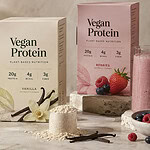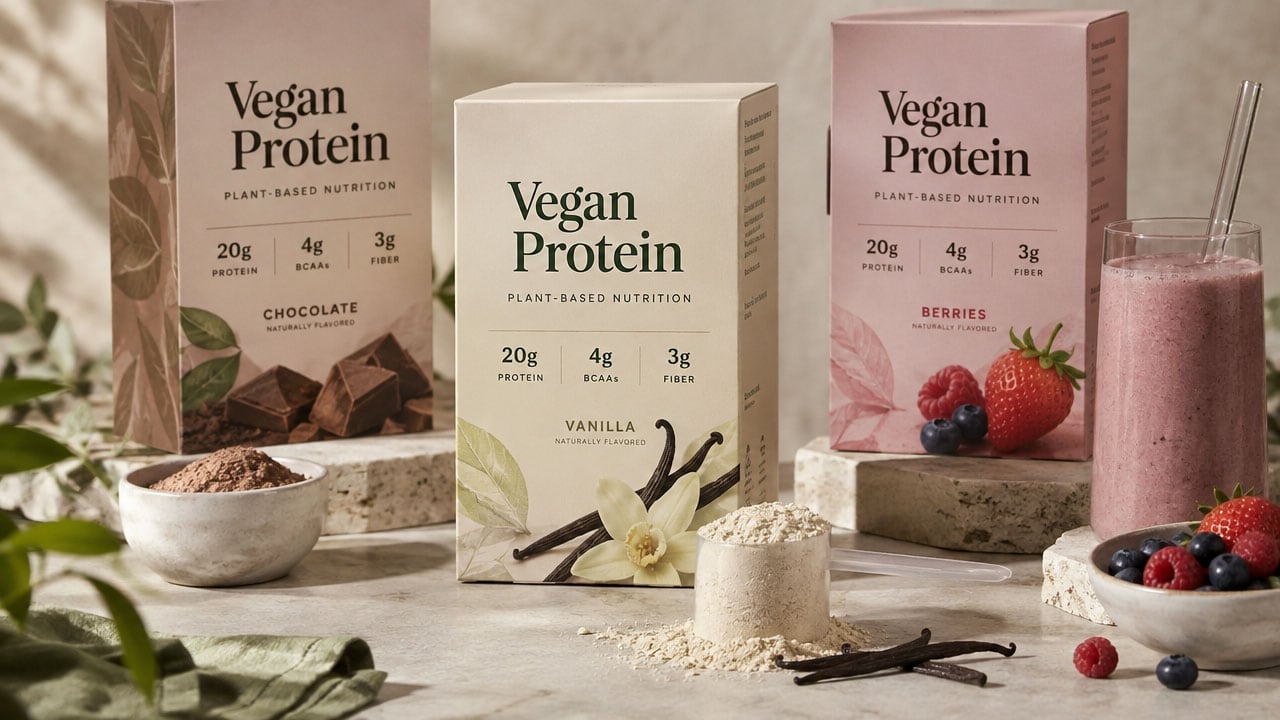

Our pick is Truvani Plant-Based Protein: labeled vegan, 20 g of protein a scoop, and the only plant-based powder Consumer Reports placed among its better choices for daily use. KOS costs less per serving and lets you look up your own tub’s lab report. CR says to limit Garden of Life Sport, vegan and NSF certified, to once a week.
In Consumer Reports’ tests, plant-based protein products carried on average nine times the lead of dairy ones like whey, and twice that of beef. Every plant powder CR tested was built on pea protein, so changing brands inside the vegan aisle does not get you out of that pattern. It moves you along it. The spread is wide, from 93% of CR’s daily level of concern for lead in a scoop of Truvani to 1,288% in a serving of Huel Black Edition. For a brand that publishes no test results, CR suggests switching to a dairy protein instead, which is advice of limited use to anyone reading this site. So the eight powders below are sorted on CR’s lead figure first. Each maker calls its powder vegan, or in one case vegan-friendly, which means the label settles less here than the lab result does. Whether you need a powder at all is the subject of our article on whether vegans get enough protein. CR’s own answer is that most people don’t need protein supplements to reach their protein goals.
Eight vegan protein powders compared
Lead figures are CR’s, for the flavor CR bought, as a share of its daily level of concern of 0.5 mcg. Prices are the makers’ own on 23 October 2026 and change often; per-serving figures are our arithmetic.
| Powder (flavor CR tested) | Protein per serving | Vegan, per the maker | Lead per serving, % of CR’s level | CR’s limit | Price per serving |
|---|---|---|---|---|---|
| Truvani Plant-Based Protein (chocolate) | 20 g | Yes | 93% | 1 a day | about $2.25 on autoship |
| Ritual Essential Protein Daily Shake 18+ (chocolate) | 20 g | “Vegan-friendly” | 107% | 6½ a week | about $2.93 on subscription |
| KOS Organic Plant Protein (vanilla) | 20 g | Yes | 112% | 6¼ a week | about $2.14 |
| PlantFusion Complete Protein (creamy vanilla bean) | 21 g | Yes | 140% | 5 a week | about $2.93 at list price |
| Orgain Organic Protein Plant Based (vanilla bean) | 21 g | Yes | 143% | 4¾ a week | about $1.90 |
| Vega Protein + Recovery, tested as Premium Sport (chocolate) | 30 g | Yes | 185% | 3¾ a week | about $3.42 |
| Garden of Life Sport Organic Plant-Based Protein (vanilla) | 30 g | Vegan badge | 564% | 1¼ a week | $47.99 a tub, size not stated |
| Huel Black Edition (chocolate) | 40 g | Yes | 1,288% | avoid | about $2.65 on subscription |
Each powder, from least lead to most
Truvani Plant-Based Protein
Truvani’s chocolate powder measured 0.46 mcg of lead a serving, 93% of CR’s level of concern, which put it in CR’s group of better choices for daily use at up to one serving a day. No other plant-based powder in either round of CR’s testing made that group. The vanilla lists organic pea protein first, Truvani gives 20 g of protein a scoop with monk fruit as the sweetener, and answers its own “Is it vegan?” question with a yes.
Its co-founder told CR that every lot is tested for heavy metals, and that the chocolate powder had been tested 162 times in 12 months. What you can read for yourself is thinner. Truvani publishes lead results for one lot of the chocolate powder and says results vary from lot to lot. The same product page that sells you the powder carries an FAQ answering why Truvani products have a Prop 65 warning, which sits awkwardly beside CR’s advice to avoid products that carry one.
Price is $44.99 for a 20-serving bag on autoship, about $2.25 a serving, or $59.99 bought once plus $9.95 shipping. Buying once is the last option on the page, listed after the free gifts for subscribers. Skip it if you want 30 g in one scoop after training; it stops at 20.
Ritual Essential Protein Daily Shake 18+
Ritual’s page calls Essential Protein “vegan-friendly”, and it is the only maker here that stops short of the plain word. The lead result needs no hedging. CR found 0.53 mcg of lead a serving of the chocolate, 107% of its level of concern, and put the limit at 6½ servings a week.
Ritual names its suppliers on the product page. The pea protein is from PURIS, made from yellow peas grown in the USA, and the cocoa comes from Cocoa Horizons. Ritual publishes heavy metal results for one recently released lot of protein, and will send you the results for your own lot if you email it the lot number. Its chief executive called plant-based protein powder a “high-risk product” in a letter to Congress, according to CR, which is a striking thing to write about the category you sell in.
A 15-serving pouch costs $44.00 on subscription, about $2.93 a serving, or $50.00 bought once plus $10.99 shipping. The powder is not organic as a whole; Ritual says it mixes organic and non-organic ingredients. If you want the word vegan, or a vegan certification, on what you buy, this page offers neither.
KOS Organic Plant Protein
KOS is the one where you can check the tub you own. Its quality page takes your lot number and the last six digits of the UPC and returns the certificate of analysis for that batch, and KOS says it tests for lead, arsenic, cadmium and mercury at ISO 17025-accredited labs. When CR published, KOS only offered results on request.
CR’s vanilla sample came in at 112% of its level of concern, about 0.56 mcg (our arithmetic), with a limit of 6¼ servings a week. So a scoop every single day runs just past CR’s line. Each serving has 20 g of protein from organic pea, pumpkin seed, quinoa, chia and flaxseed, with coconut milk powder, a vitamin and mineral blend and digestive enzymes, and KOS calls it a vegan protein powder with no dairy.
At $59.99 for 28 servings, it works out to about $2.14 a serving, less than Truvani or Ritual at the prices we found. KOS also says some of its products carry a Prop 65 warning. Truvani’s vanilla lists five ingredients; this one adds a superfood blend and a vitamin and mineral blend to its pea and seed proteins, so it is the wrong tub for anyone who shops by the shortest label.
PlantFusion Complete Protein
PlantFusion’s page says its blend is “the only plant protein that compares to animal proteins like whey”. On lead, CR’s averages make that a comparison it would lose. The creamy vanilla bean flavor came in at 140% of CR’s level of concern, with a limit of 5 servings a week.
The 21 g of protein comes from peas, artichokes, algae and what PlantFusion calls organic superfoods, and the product is sold as a vegan protein powder. A 15-serving tub lists at $43.97, about $2.93 a serving, and was on sale for $35.18 when we looked. The product page says nothing about heavy metal testing, and PlantFusion answered CR only after the article was published. CR’s five-a-week limit rules it out as a daily shake.
Orgain Organic Protein Plant Based
The lowest per-serving price of the seven we could work out. A 2.03 lb canister of vanilla bean costs $37.99, about $1.90 a serving at the 46 g serving CR weighed (our arithmetic). Orgain sells it as 21 g of organic, vegan protein, and its vegan products are certified Plant-Based by the Plant Based Association, administered by NSF International.
CR measured 143% of its level of concern for lead, a concentration of 15 parts per billion, and set a limit of 4¾ servings a week. Orgain told CR its products are safe for daily use despite those limits. Its own FAQ says the powder is fine for children, at a quarter serving for ages 2 to 4, while CR names children and people who are pregnant as the readers its chart matters most for. If the shake is for a child, take the tub to your pediatrician before it becomes a habit.
Vega Protein + Recovery
CR tested this powder under its old name, Vega Premium Sport, and the chocolate came in at 185% of CR’s lead level, limit 3¾ servings a week. It also carried enough cadmium that one serving would put you just over CR’s level for that metal, a finding Vega called “inconsistent” with its own testing. Since then Vega has renamed it and moved its pea protein sourcing to North America, so the tub on sale today is not quite the one CR measured, and neither CR nor Vega’s page gives a lead figure for the new one.
It is labeled vegan and NSF Certified for Sport, with 30 g of protein a scoop from pea, pumpkin seed and organic sunflower seed protein, sweetened with stevia. At $64.99 for 19 servings, about $3.42 each, it is the most expensive per serving of the powders we could price. Don’t buy it if you need a lead number for the version you are actually holding.
Garden of Life Sport Organic Plant-Based Protein
This is the powder with every badge. The product page shows a Vegan badge, with a note setting out the rules for the Certified Vegan logo, and says the powder is NSF Certified for Sport, with 30 g of protein from U.S.-grown organic peas, garbanzo beans, navy beans, lentils and cranberry seed protein. CR measured 564% of its level of concern for lead in the vanilla, a concentration of 61 parts per billion, and advises limiting it to once a week.
The badges and the result are not in conflict. NSF’s certification limit for lead is 10 mcg a day, twenty times CR’s 0.5 mcg (our arithmetic), so a powder can pass one and fail the other. Garden of Life told CR its products are safe for daily use despite CR’s limits. Its page lists $47.99 without a tub size and makes no statement about heavy metal testing.
Don’t buy this one for a daily shake. As an occasional scoop, at CR’s once a week, it is a vegan powder with a lot of protein per serving.
Huel Black Edition
The one to skip. Huel says all its products are vegan, and Black Edition gives 40 g of protein in a 400-calorie serving, which makes it a meal more than a protein scoop. CR found 6.3 mcg of lead per serving, 1,288% of its level of concern, plus 9.2 mcg of cadmium, more than double CR’s level for that metal, and its experts advise against using it at all. Huel told CR it is confident in the formula and that its products are well within the levels set out by NSF.
The 6.3 mcg is under FDA’s interim reference level of 8.8 mcg a day for women of childbearing age. CR’s point is that diet already supplies up to 5.3 mcg a day for the average adult, according to an FDA analysis it cites, so a daily serving on top likely takes you past that level. At about $2.65 a serving on subscription, you would be paying for the one powder here that CR says not to use at all.
What the lead numbers mean, and what they don’t
CR’s level of concern, 0.5 mcg of lead a day, is California’s Proposition 65 maximum allowable dose level for lead, and CR chose it because it is the most protective standard available. Other numbers sit well above it. NSF certifies supplements up to 10 mcg of lead a day. FDA’s interim reference levels are 2.2 mcg a day for children and 8.8 mcg for females of childbearing age, and an FDA spokesperson told CR the 8.8 mcg figure should apply to all adults. The supplement trade group CRN told CR its threshold “creates a misleading impression of risk”. None of these is a legal limit for protein powder, because there is no federal one.
CR’s results are averages of two to four lots per product, bought over three months, and CR says they may not match what is in every tub today. The flavors on the chart differ, but CR found no meaningful difference between its vanilla and chocolate averages. CR’s explanation for the plant gap is that plants take up what is in their soil, water and air, and it says its tests did not settle whether the pea protein itself is the source.
How to check the tub in your hand
Start with the lot number on the container. KOS lets you look it up online, Ritual will email you the result for it, and Truvani publishes one example lot. When CR published, only two of the brands it tested told it they posted results on their own websites.
CR tells you to avoid products that carry a Prop 65 warning, yet Truvani, the powder CR rated best of the plant-based ones, explains its own warning in an FAQ, and KOS says some of its products carry one too. CR also says no Prop 65 judgment can be drawn from its results, because Prop 65 accounts for how often a product is used and CR assumes one serving every day. Our line is to treat the warning as a reason to ask for the lot result, not as the answer.
Then count your scoops. CR’s limits are per week for most powders here. At 5 a week a 20-serving tub lasts four weeks; at Garden of Life’s 1¼ a week it lasts about four months (our arithmetic).
A tub that sits open for four months is worth checking against our guide to how long vegan protein powder keeps before you finish it.
Sources
- Consumer Reports, Readers asked us to test these 5 protein powders. All had low levels of lead (January 2026)
- Truvani, Plant Based Protein Powder (product page, ingredients and FAQ)
- KOS, Organic Plant Protein, Vanilla, 28 servings
- KOS, Quality and safety: third-party testing, COA lookup and Prop 65
- Consumer Reports, Protein powders and shakes contain high levels of lead (October 2025, updated January 2026)
- Ritual, Essential Protein Daily Shake 18+, Chocolate
- PlantFusion, Complete Protein vegan protein powder
- Orgain, Organic Protein Plant Based Protein Powder, Vanilla Bean
- Vega, Performance Protein + Recovery
- Garden of Life, Sport Organic Plant-Based Protein, Vanilla
- Huel, Black Edition
- Truvani, Heavy metals in food and Truvani test results
- Ritual help center, Where can I see your heavy metal test results?
- Orgain help center, Product certifications and testing info
- FDA, Lead in food and foodwares (interim reference levels)
- OEHHA, Proposition 65: lead (safe harbor levels)