Why do vegans quit? They blame the food, and the widest gap is identity

Quitters most often blame the food. Of the difficulties Faunalytics highlighted, the widest gap from those who stayed was identity: 58% against 11%.

This is the argument section. Is honey vegan? What about eggs from hens you rescued yourself, oysters with no brain to speak of, or meat grown in a lab? Reasonable vegans disagree on some of these, often loudly. Here I lay out each side as fairly as I can, then say where we land and why. Some of these calls feed straight into our product verdicts, which is why we take the time to argue them properly instead of waving a placard.
You won’t find product verdicts in this section, just opinions with the reasoning shown. If you think we’ve got one wrong, the contact form is open. I read the messages, angry ones included.
Start here: Why some vegans eat honey · Eggs from rescued hens · Can vegans eat oysters? · Lab-grown meat · Does veganism really help animals?
Quitters most often blame the food. Of the difficulties Faunalytics highlighted, the widest gap from those who stayed was identity: 58% against 11%.
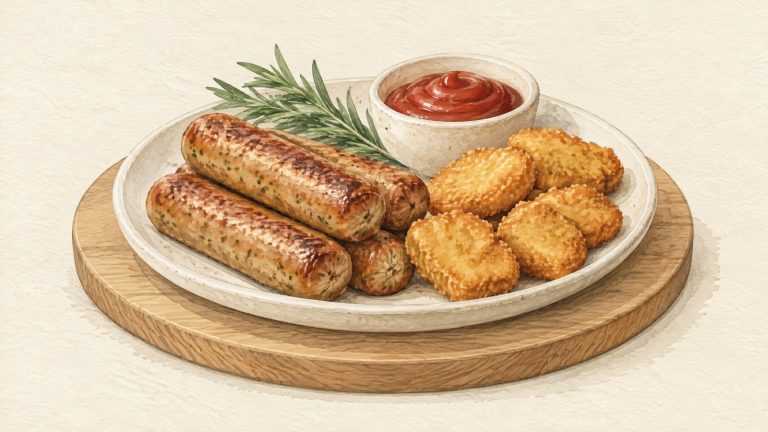
Veganism objects to exploiting animals, not to the taste of meat, and the Vegan Society's definition promotes animal-free alternatives. Plus the case against.

No: a thrifted jacket is still an animal's skin. The money argument barely holds, as USDA market data put a steer's hide under 1% of its live price. Our line.
Work out which of four kinds of criticism you're hearing, then sound open before you sound right. One study found people misjudge how open they sound.
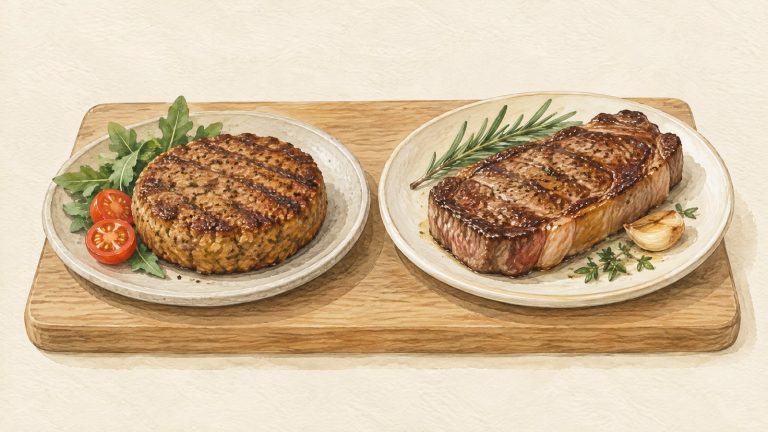
Veganism looks popular because its food is: 60% of US households bought plant-based food in 2025, yet US polls put vegans at only 1% to 3% of adults.
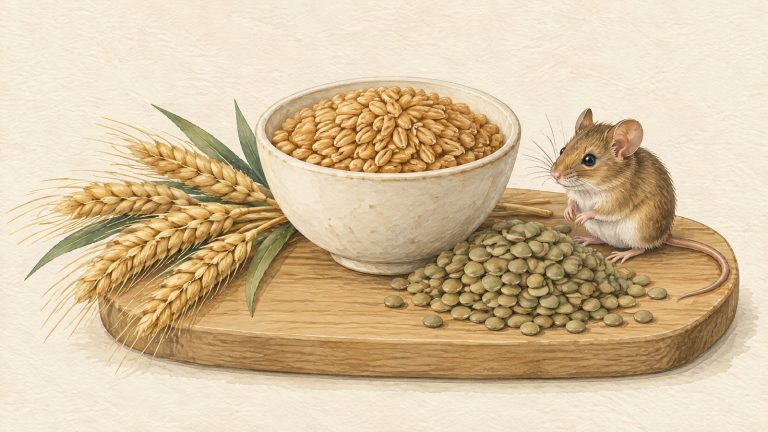
Crop deaths don't make veganism pointless. Counted per person fed, a vegan diet kills about 0.3 field animals a year, against 1.5 for a grass-fed omnivore.
Vegans may be less judgmental than they seem: in a 2012 paper, meat eaters expected harsher moral judgment than vegetarians gave. Why the label sticks.
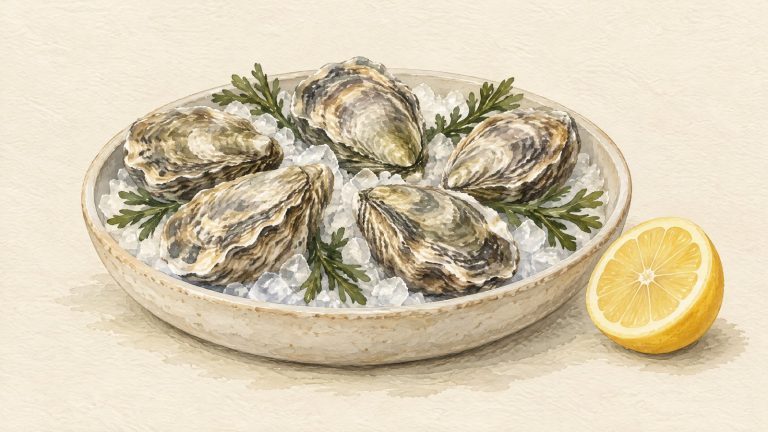
Oysters aren't vegan: they're animals. Whether they can suffer is unsettled; a first 2022 literature scan found no paper showing it either way. Our line.
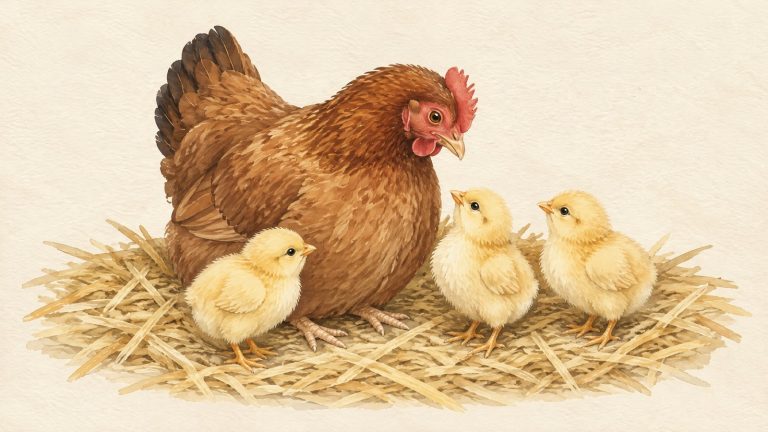
Veganism helps animals as odds, not a body count: a skipped purchase may be the one that cuts an order. 96 in 100 US land animals slaughtered are chickens.
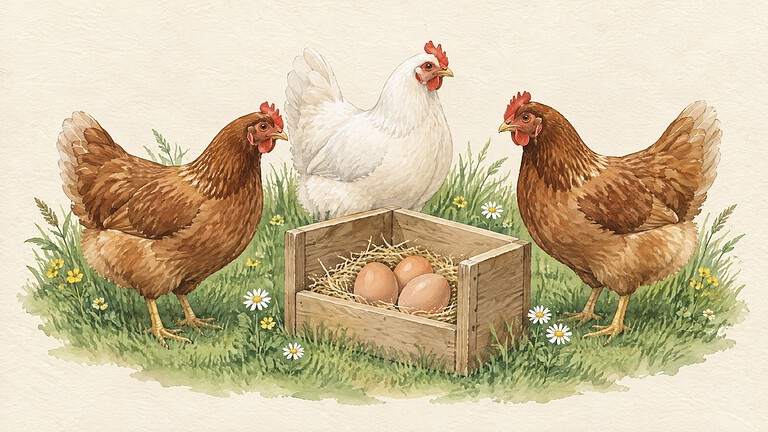
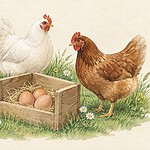
Eating eggs from rescued hens isn't vegan by our line: a hen bred to lay about 300 a year can use what she lays, and sanctuaries feed eggs back to laying hens.
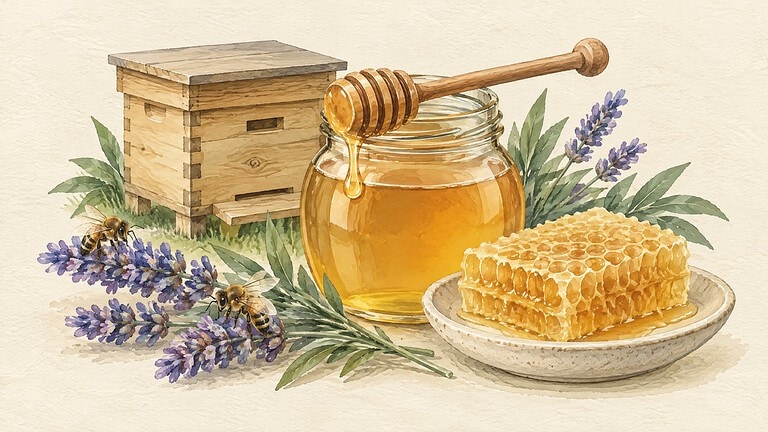
Vegans who eat honey draw the line at suffering, not use. Their case is serious, and it still fails at the hive, where beekeeping means managing the colony.
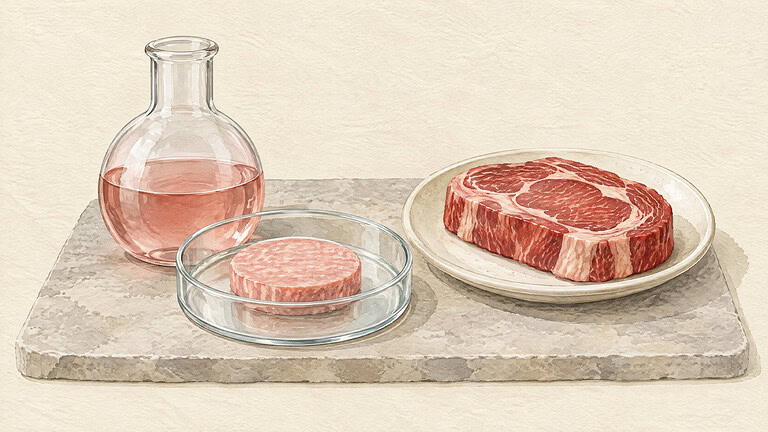
Not yet. Lab-grown meat may still depend on animal biopsies and serum you can't verify, and a vegan eating it spares no animal. Our line, and where it's weak.